We use our phones on a daily basis, and we use them for a variety of things. These small devices have become an inseparable part of our daily lives. Consider how we handle money; most people no longer carry cash or visit a bank branch for routine transactions.
Mobile banking apps let you transfer funds, pay bills, and manage investments from anywhere in seconds. Contactless payments have replaced wallets at checkouts, and even peer-to-peer payments between friends happen instantly through a phone screen. The phone has quietly become the financial hub of everyday life.
That reach extends into personal interests as well. Even in something as specific as online casino gaming, phones have moved in completely. People can now play casino games, from slots to table games, with just a few taps. The experience that once required a desktop or a physical venue now fits in a pocket.
But beyond finance and entertainment, the phone carries one more powerful capability that tends to get underestimated: photography. And if you are travelling to Ibiza, your phone might be the only tool you need to capture images that genuinely do the island justice. The light, the architecture, the sea; Ibiza rewards anyone who knows how to use a camera well, even if that camera is built into a smartphone.
Why Ibiza Is a Photographer’s Dream Destination
Ibiza is not just a party island. Anyone who has spent time exploring beyond the clubs quickly discovers a landscape that shifts dramatically from one hour to the next. The western coastline catches golden light in the late afternoon that professional photographers travel specifically to shoot.
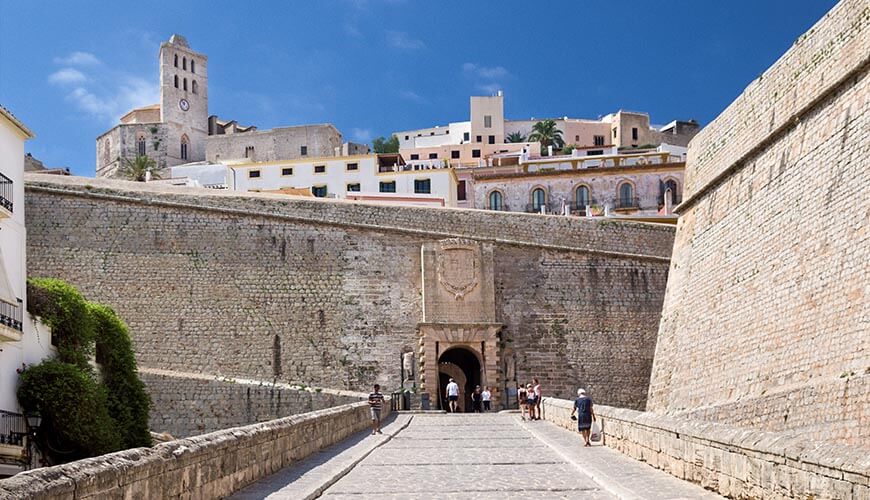
The contrast between the whitewashed walls of Dalt Vila and the deep blue of the Mediterranean creates a natural colour palette that is almost impossible to get wrong. Rocky coves, pine-covered hillsides, and quiet fishing villages sit within minutes of each other.
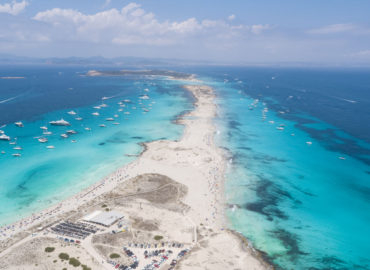
The island also has a visual variety that keeps things interesting across a full day. Early mornings bring soft mist over the salt flats near Sant Josep. Midday light turns the water around Cala Comte a vivid turquoise. By evening, the sky above Es Vedrà shifts through orange and deep purple shades that few places in the world can match.
The Best Spots on the Island for Phone Photography
Dalt Vila, the UNESCO-listed old town in Ibiza Town, is one of the most photogenic locations in the Mediterranean. Walking through its narrow cobbled streets, you find layers of history in every archway and window shutter.
The view from the top of the fortified walls, looking down over the marina and out toward Formentera, is genuinely hard to beat. Shoot it at sunrise before the crowds arrive, and the light quality becomes something special.
Cala Comte on the west coast is widely considered one of the most beautiful beaches in Europe, and the camera does not lie here. The water’s clarity and the way it graduates from pale aquamarine to deep cobalt make for striking wide shots. Arriving an hour before sunset gives you both the best light and a slightly quieter beach.
For a less visited alternative, Cala d’Hort sits directly in front of Es Vedrà, the dramatic rock formation that rises from the sea about a kilometre offshore. That rock has a magnetic quality in photographs; it anchors the frame and gives the image a sense of scale.
Sant Antoni is worth visiting not for its nightlife reputation but for its sunset strip. The Café del Mar stretch draws serious sunset watchers every evening, and the silhouettes, crowds, and colours come together to produce genuinely striking street photography. Head slightly away from the main viewing area, and you avoid cluttered backgrounds while still capturing the same extraordinary sky.
Phone Camera Settings and Techniques That Actually Make a Difference
Modern smartphones have impressive camera hardware, but default auto settings don’t always produce the best results. Switching to manual or pro mode gives you control over exposure and ISO, which matters most in Ibiza’s bright midday sun, where auto modes often overexpose the sky. Locking the exposure on a bright area of the frame and letting the shadows fall naturally tends to give a more dynamic image than letting the phone average everything out.
Grid lines are a simple feature that many photographers overlook. Turning them on helps you align the horizon cleanly, which is critical when shooting the sea. A slightly tilted horizon in a coastal shot is one of the most common and most distracting mistakes in travel photography. Take five seconds to straighten the frame before pressing the shutter, and the difference in the final image is significant.
Portrait mode on modern iPhones and Android flagships uses computational photography to simulate depth of field. Used carefully on subjects with interesting backgrounds (a colourful Ibiza doorway, cliff vegetation, boat rigging), it produces images that read as genuinely professional. The key is to keep the subject at a consistent distance from the phone and ensure the background has enough detail for the blur to look natural rather than artificial.
Editing Your Ibiza Photos Without Overdoing It
The editing stage is where many travel photos are either elevated or ruined. Apps like Adobe Lightroom Mobile give you enough control to make meaningful adjustments without requiring a desktop workflow.
For Ibiza specifically, the common temptation is to push the saturation on the sea and sky until the image looks surreal. Resist it. Reducing highlights, lifting shadows slightly, and adding a touch of clarity to bring out texture in rocks and architecture almost always produces a more convincing result than cranking the vibrance slider.
Colour grading with split tones can add warmth to shadows without touching the midtones, which preserves the natural skin tones in any people you have included in the shot. Keeping a consistent editing style across your photos also matters if you plan to post them as a set; three or four images with the same tonal treatment read as a considered body of work rather than a random collection of holiday snaps.